
Buying guide
Travel Charging Kit: What to Pack for a Week Away
7 min read · Updated October 2026
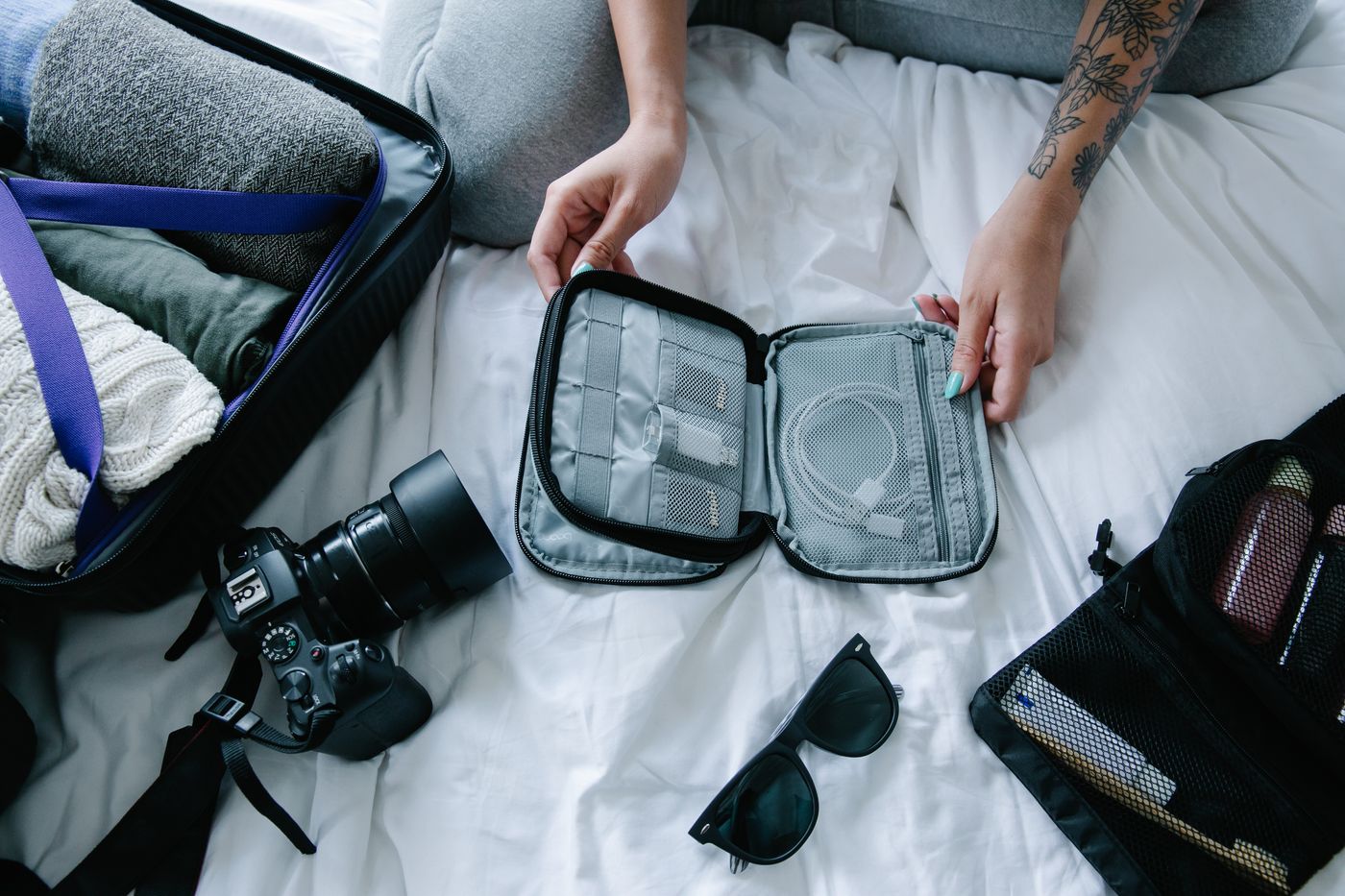
The classic travel mistake is packing a charger for every device. You end up with four bricks, six cables and still no way to charge your phone on the plane. A week away needs far less, if you pick the right pieces. This is the kit we pack, and the reasoning behind each item.
One charger to replace them all
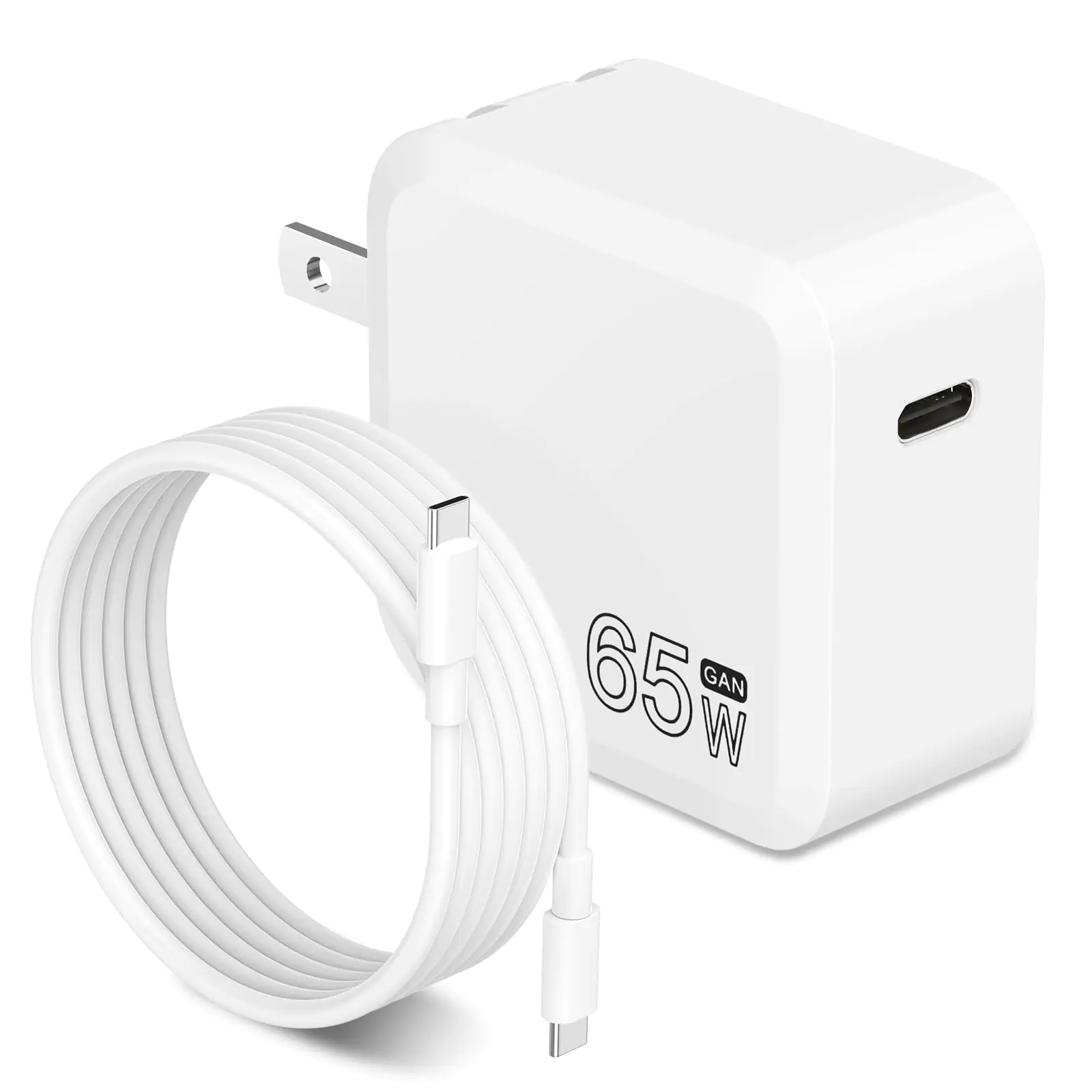
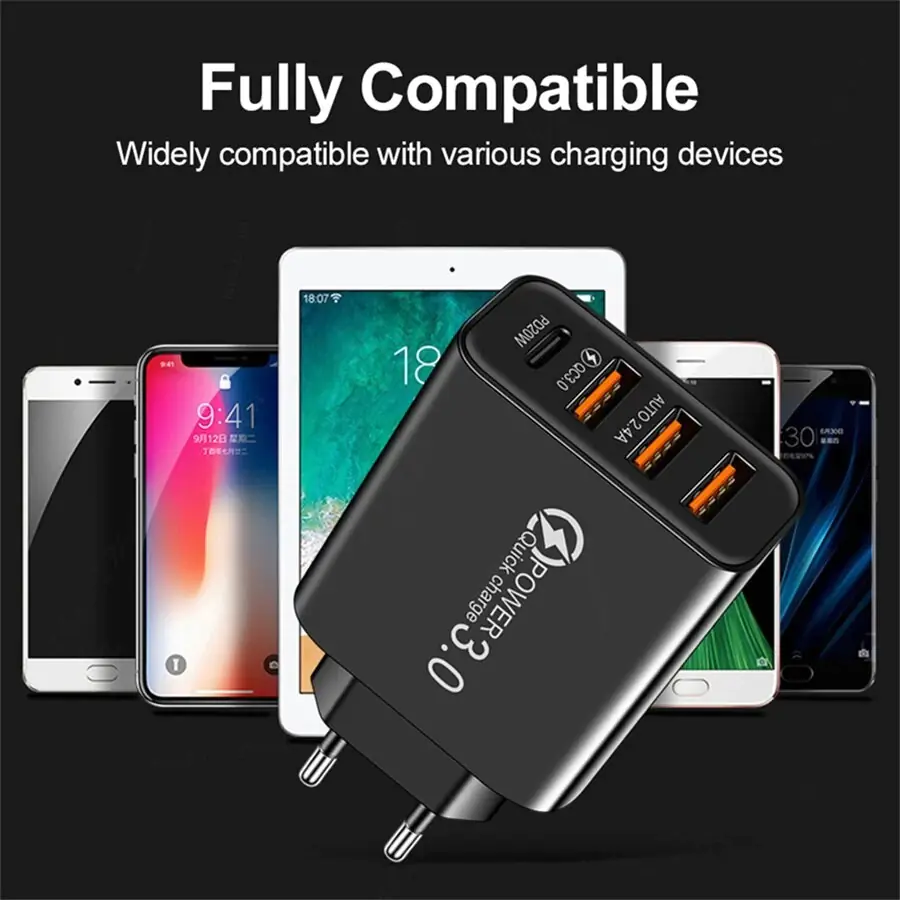
Bring a single multi-port GaN charger with enough power for your largest device. For phone, earbuds and a watch, 30–45W is plenty. Add a laptop and you want 65W or more with at least two USB-C ports. One charger means one wall socket in the hotel, which matters more than you think when the only free plug is behind the bed.
Most modern chargers accept 100–240V, so they work worldwide; you only need a small plug adapter for the socket shape, not a voltage converter. Check the small print on the charger to confirm.
Cables: two is the magic number
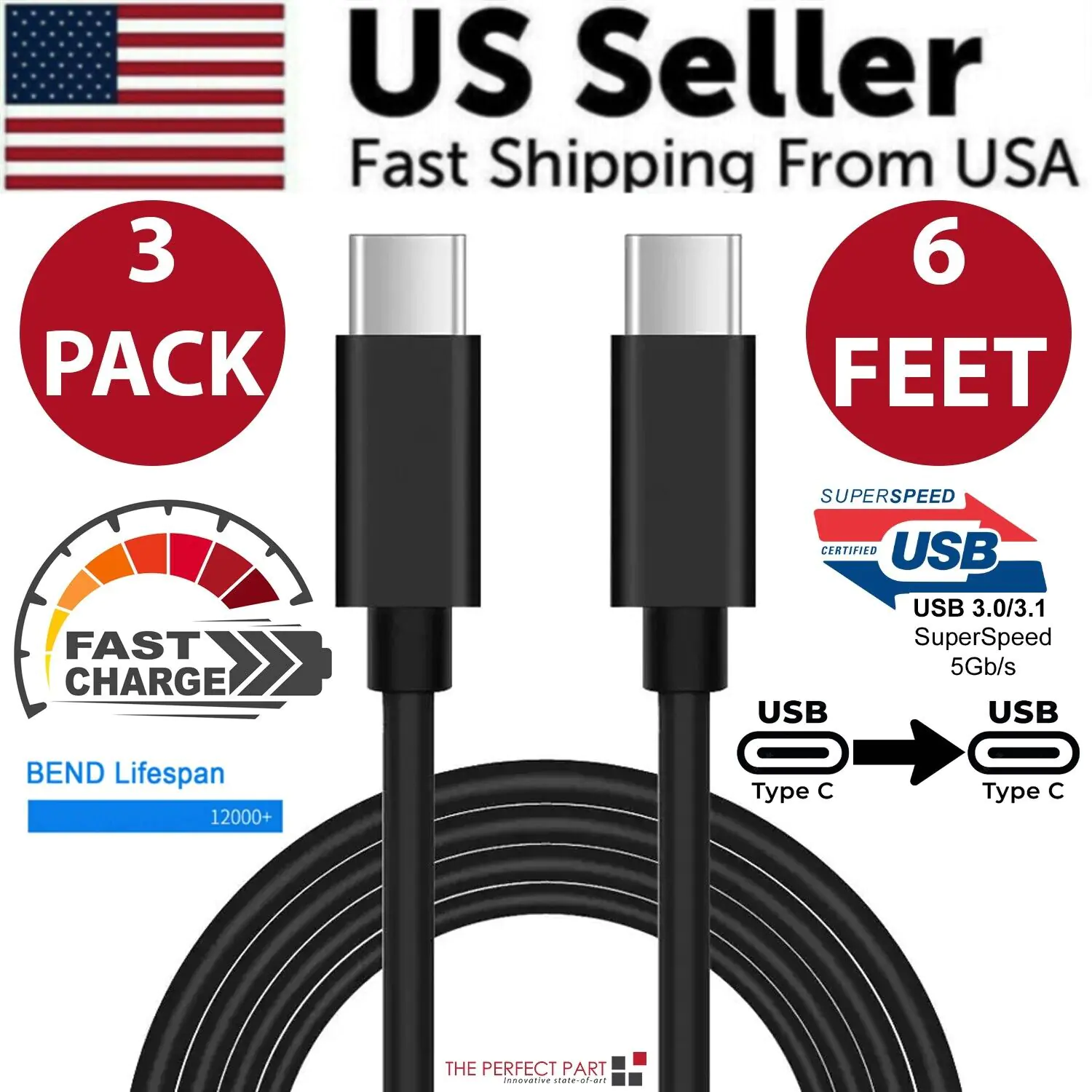
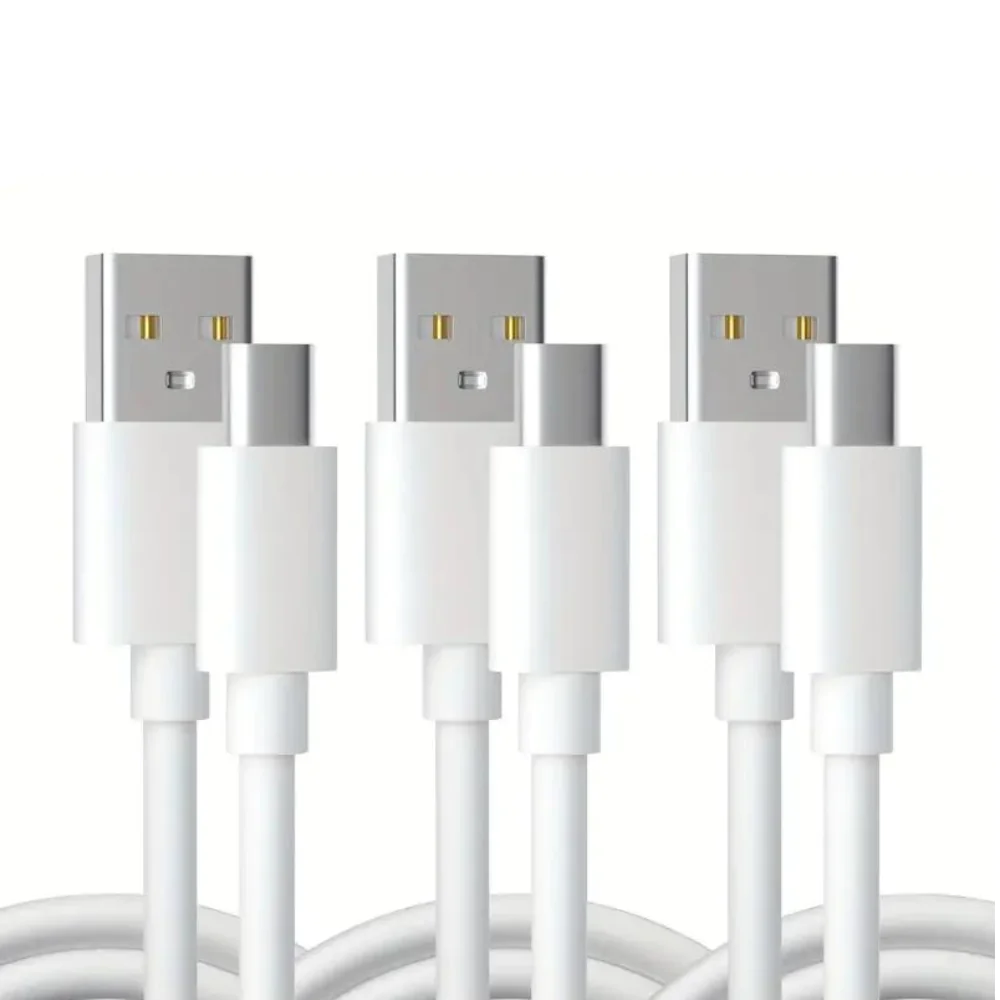
Pack two cables: one that charges your laptop (USB-C to USB-C, 100W if your laptop needs it) and one for your phone. If both devices use USB-C, bring two USB-C cables so you can charge both at once. A 2 m cable is worth it for hotel rooms where the socket is far from the bed.
The power bank and the airline rules
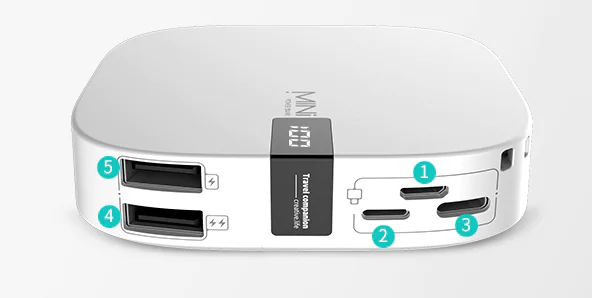
A 10,000 mAh bank gives about two phone charges and covers a long travel day. A 20,000 mAh bank can also top up a tablet or small laptop if it has a USB-C PD output of 30W or more.
Power banks must go in your carry-on, never in checked luggage. Most airlines allow banks up to 100 Wh without approval, which is roughly 27,000 mAh at 3.7 V. The capacity is usually printed on the bank. Some airlines also ask you not to charge devices from a bank during the flight, so charge before you board.

Don’t forget the car
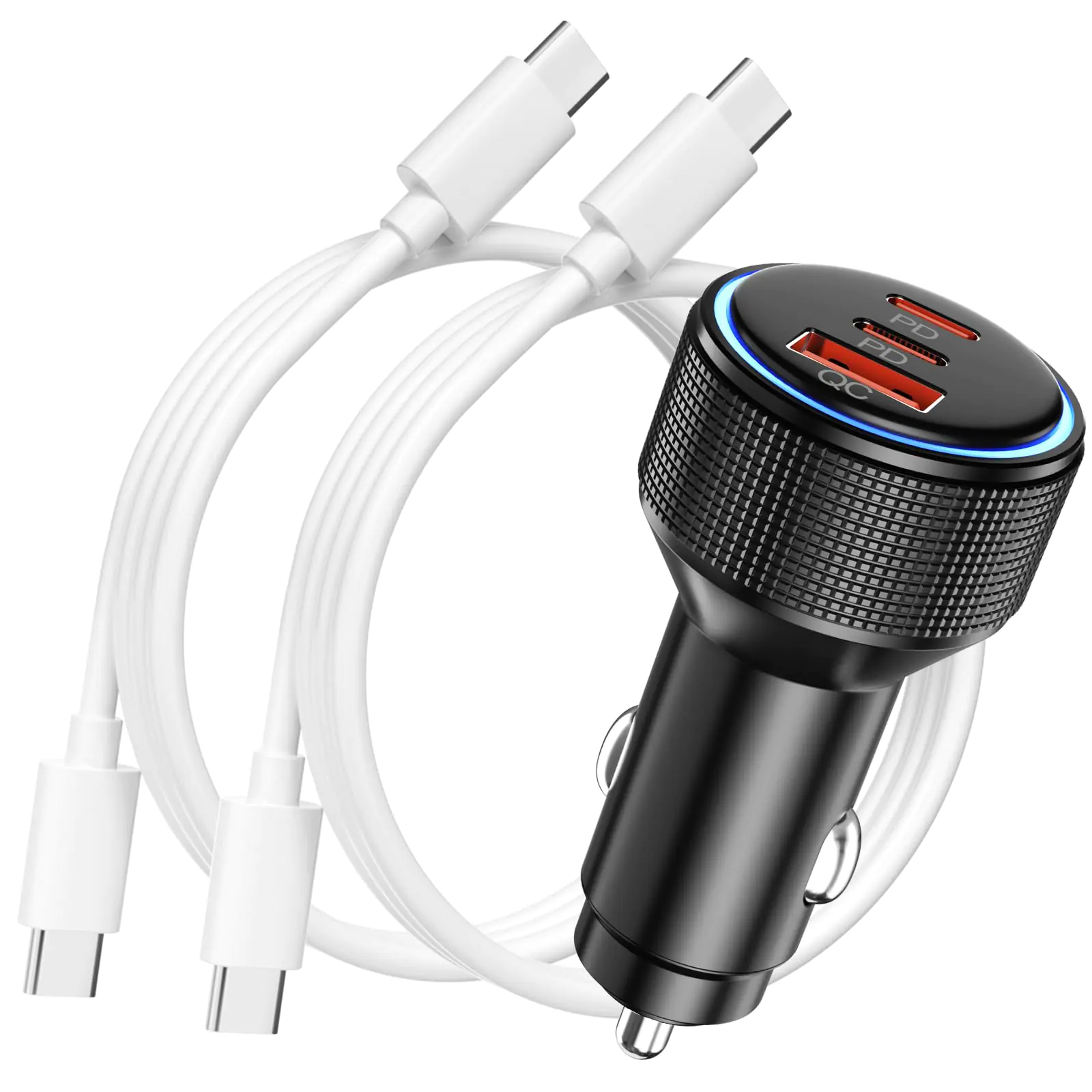
Road trip or rental car? A dual-port USB-C car charger keeps navigation running and phones topped up. A magnetic vent mount keeps the phone visible and hands-free.

Pack it so you can find it
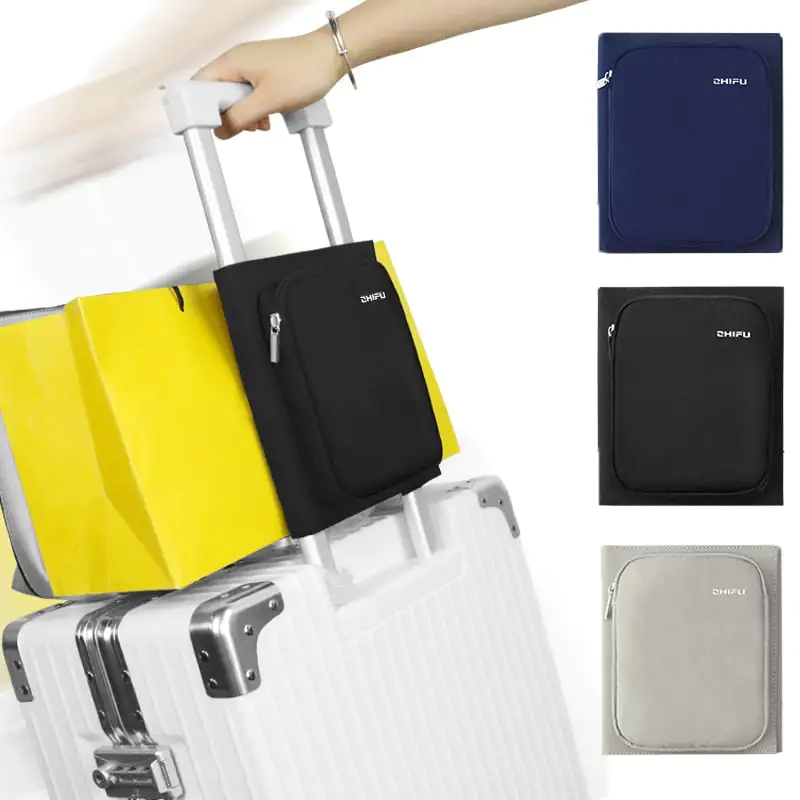
Put everything into one small pouch and keep it in the same bag pocket for the whole trip. When you unpack at night, the pouch is the first thing that comes out and the charger goes straight into the wall. When you leave, check the wall sockets, the bedside, and the car. That is where cables are always lost.
The checklist
☐ One multi-port GaN charger (45–100W) ☐ Plug adapter for your destination ☐ Laptop cable (USB-C, 100W if needed) ☐ Phone cable ☐ 10,000 mAh power bank, charged, in carry-on ☐ Earbuds and their case cable if different ☐ Car charger and mount for road trips ☐ One pouch to hold it all.
Or grab the ready-made Travel Charging Kit and save with bundle pricing.
Plug adapters by region
The US, Canada, Mexico and Japan use type A/B plugs. Most of Europe uses type C/F, the UK and Ireland type G, Australia and New Zealand type I, and much of South America type C or N. A compact universal adapter covers all of these; some include their own USB-C ports, which can replace a separate charger for a phone.
Avoid cheap adapters that feel loose in the socket. A charger that falls out at night is the most common travel charging failure.
Long-haul flights and airports
Many planes now have USB-A or USB-C ports at the seat, but they are often slow (5–12W). Your power bank is the reliable option. Charge it fully the night before and keep it in the seat pocket, not the overhead bin, so you can reach it.
At airports, charging stations are busy and sometimes broken. A short cable and a bank let you charge from anywhere, including the boarding queue. Avoid plugging into unknown USB ports for data; if you must use one, use a charging-only cable or your own wall charger.
Camping, beaches and off-grid days
For days away from sockets, a larger 20,000 mAh bank or a solar power bank keeps a phone alive for several days. Solar panels on small banks charge slowly, so treat solar as a top-up and charge the bank fully before you leave.
Water and sand are the main enemies. Choose a bank with an IP rating if you will be outdoors, keep ports covered, and store electronics in a zip bag on the beach.
Hotel room routine
On arrival, find the socket closest to the bed and plug in your charger with both cables attached. Charge your bank and phone overnight; charge the laptop while you shower and get ready. Before checkout, do a three-point check: wall, bedside, desk.
Frequently asked questions
Can I take a power bank in checked luggage?
No. Lithium power banks must be in carry-on bags. Most airlines allow up to 100 Wh (about 27,000 mAh) without approval.
Do I need a voltage converter abroad?
Usually not. Most phone and laptop chargers accept 100–240V; you only need a plug adapter for the socket shape.
What wattage travel charger do I need?
30–45W for phones and earbuds; 65W or more with two USB-C ports if you also charge a laptop.